
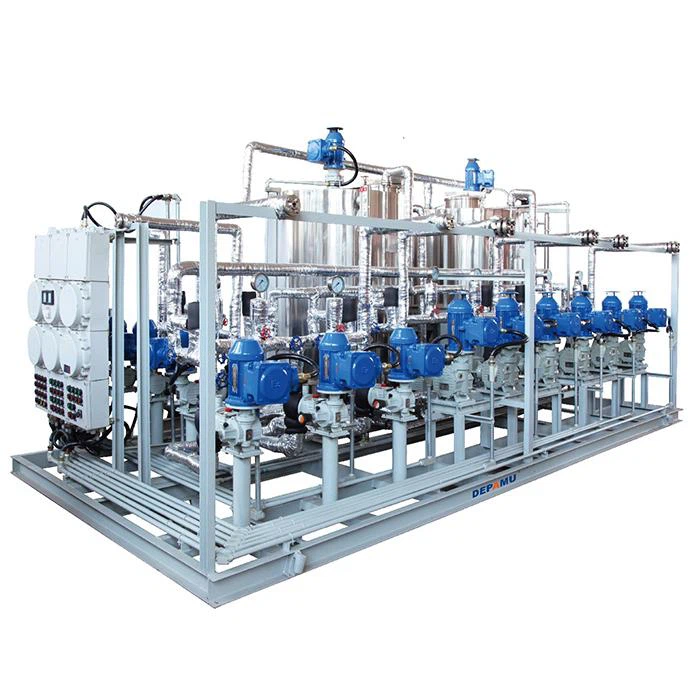
When it comes to treating water, we must be accurate and cautious, no matter if the water is used for drinking, industrial purposes, or agriculture. One of the most important tools we use to keep water safe and clean (for humans, animals, and plants is a chemical dosing system. In the following paragraphs (which probably take only 5 minutes of your time), we explain how this system works and why it’s so important in water treatment.
What Is a Chemical Dosing System?
A chemical dosing system for water treatment is designed to automatically add specific amounts of chemicals into water at the right time. The main purpose of this system is to increase the water’s quality by removing its contaminants, killing harmful bacteria, balancing its pH, and preventing scale (AKA dissolved minerals like calcium, magnesium, iron, etc.) buildup.
In simple terms, think of it as a “drug delivery system” for water. Just as doctors prescribe precise doses of medicine to treat a person, we use dosing systems to “treat” water with the exact amount of chemical it needs.
How Does a Chemical Dosing System Work?
A well-designed chemical dosing system has four main parts: 1) a chemical storage tank, 2) a pump to inject the chemicals, 3) a water flow line, and 4) control equipment. Of course, there are some other minor parts that improve the system’s function and safety, such as suction and discharge lines, calibration devices, mixers, pressure relief valves, feedback sensors, and more.
Now, let’s see how the four parts work together to treat the water:
1. Storage tank
This is where the chemical (such as chlorine, acid, or antiscalant) is stored before being injected into the water. The tank is usually made from corrosion-resistant materials like HDPE or PVC, so the chemicals don’t mix with the tank’s materials. The water treatment engineers constantly monitor the chemical level to make sure there’s enough substance for the process.
2. Dosing pump
The dosing pump is the heart of each chemical dosing system. It checks the amount of chemical that should be used, draws it from the tank, and injects it into the water. Dosing pumps come in different types, including diaphragm, peristaltic, and piston. They are mainly different in their accuracy, technology, and head structure.
3. Water flow line (hose)
This is where the chemical enters the water. They should mix quickly and evenly with the water to have the maximum effect. A non-return valve is installed on all systems to prevent water from flowing backward into the pump and tank.
4. Controlling
In all systems, there are multiple sensors that control the amount of chemical being added to the water. This control unit (or PLC) monitors the whole system automatically, but sometimes the operators manually start/stop the system or change dosing rates.
Note: the sensors adjust the amount of chemicals based on the water quality parameters (like pH or conductivity).

4 Types of Chemical Dosing Pumps
1) Diaphragm Pumps
Diaphragm pumps, also known as solenoid pumps, use a diaphragm that moves back and forth to release water. In simpler words, when the diaphragm retracts, it pulls out chemicals from the tank, and when it moves forward, it pushes the chemicals into the water line. These pumps are extremely accurate (±1–2%) and easy to calibrate.
2) Peristaltic Pumps
Peristaltic pumps have a flexible tube that carries the chemical and a rotating device that pushes the chemical to the water line. These pumps are excellent for both sticky and thick chemicals, have a simple design, and can run without water for a short time.
3) Piston Pumps
These pumps have a piston that moves back and forth inside a cylinder to extract and push the chemicals at high pressure. Piston pumps are very accurate, but they are not suitable for corrosive chemicals.
4) Progressive Cavity Pumps
Progressive cavity pumps have a metal screw that rotates inside a rubber tube. This movement creates cavities that move the chemicals through the pump. These pumps are good for viscous fluids and chemicals with suspended particles.
Also Read: Reliable Dosing Pumps for Wastewater Treatment
8 Common Chemicals Used in Dosing Systems
Now that we know how a chemical dosing system works, let’s see what chemicals are mostly used to treat water.
1. Chlorine or Sodium Hypochlorite
Used for disinfection and killing bacteria, viruses, and algae. Sodium hypochlorite is the liquid form of chlorine. It is safer and has less smell; therefore, engineers use it in drinking water plants and swimming pools.
2. Aluminium Sulphate or Ferric Chloride
Used for coagulation and flocculation. These chemicals neutralise the static electricity between (invisible) particles and help them stick together. When the debris clusters, it can be filtered more easily.
3. Lime or Caustic Soda
Used for increasing pH. Low pH (acidic water) can corrode the pipes and tanks. Lime and caustic soda are alkaline chemicals that increase the pH and neutralise acidity.
4. Sulfuric Acid or Hydrochloric Acid
Used for lowering pH. If the water is too alkaline, these acids are injected to reduce the pH. Since these acids are corrosive, they are only used in dosing systems made of PVC, PVDF, or PTFE.
5. Antiscalants
Used to prevent scale. Scale forms when dissolved minerals (like calcium or magnesium) stick to the pipes and tanks’ surfaces. Antiscalants increase the system’s durability by preventing these crystals from forming.
6. Coagulant aids and polymers
Used to separate solids from wastewater. Polymers (natural or synthetic) make the coagulated particles heavier and easier to settle. Common coagulant aids are polyelectrolytes ( cationic, anionic, or nonionic), activated silica, and weighting agents.
7. Sodium Bisulphite (NaHSO₃)
Used to neutralise chlorine. Sodium bisulphite is used to reduce water’s pH, prevent scale formation, avoid corrosion, and balance alkalinity in water.
8. Corrosion inhibitors
Used to protect puppies, boilers, and cooling systems. These chemicals create a thin film on metal surfaces to prevent their corrosion. The most-used corrosion inhibitors are phosphates, silicates, and molybdates.
Where Is a Chemical Dosing System Used?
Chemical dosing systems are used in different water and wastewater treatment processes, including:
Drinking water plants
Public water should be clean, disinfected, and balanced. That’s why the water engineers add chemicals to control its pH (lime, caustic soda, or sulfuric acid), remove invisible particles (ferric chloride, alum, or polymers), kill viruses and bacteria (sodium hypochlorite or chloramines), and prevent dental decay (sodium fluoride).
Industrial water treatment
Industries use water for cooling, making steam, and producing products (especially food and pharmaceuticals). Chemical dosing systems are necessary to prevent corrosion, scaling, or microbial growth. The most common chemicals used in industrial water treatment are sodium sulphite, ammonia, and corrosion inhibitors.
Wastewater treatment plants
Used water should be treated before it gets back to the environment; otherwise, it would contaminate it. Lime, sodium hydroxide, alum, polymers, chlorine, hydrogen peroxide, and other chemicals are used to adjust the water pH, remove fat and oil, reduce odors, and get rid of sludge.
Swimming pools
Swimming pool dosing systems automatically disinfect the water and balance the water’s pH. Sodium hypochlorite is used to kill bacteria and viruses, acid or soda ash to keep the water’s pH at a normal range, and algaecides to prevent algae growth.
Also Read: Algae Wastewater Treatment for Cleaner Waterways and Smarter Infrastructure
A Quick Review
A chemical dosing system might seem like a small part of a water treatment plant, but it plays an important role in increasing water quality. Adding the right amount of chemicals at the right time is important in this process. If the system is designed correctly, it keeps our water clean, saves money, protects equipment, and saves the environment.
AquipTech (AIMEQUIP) is a reliable company in Australia that focuses on treating wastewater and protecting the water reservoirs, lakes, and seas. For more information about our teams and services, visit our website.
FAQs
1) What are the most popular chemical dosing pumps?
Diaphragm pumps and peristaltic pumps are the most popular, as they are easy to maintain, handle different types of chemicals, and have high accuracy.
2) What is a chemical powder dosing system?
Chemical powder dosing systems use powdered forms of chemicals (like lime, alum, polymer powder, or activated carbon) instead of liquid ones (like chlorine).
3) What is the flow rate in chemical dosing?
The amount of chemical that a dosing pump releases in a specific period of time is known as the flow rate. The flow rate is usually measured in:
- Litres per hour (L/h)
- Millilitres per minute (mL/min)
- Gallons per hour (GPH)
- Cubic meters per hour (m³/h)